Consultant, this is going to matter more than most people realize.
As AI becomes more embedded in how we work, the time it takes to deliver outcomes is shrinking. Clients know this. Which means pricing based on time is only going to get harder to justify.
So the real question becomes: do you know what your value is, and can you communicate it clearly?
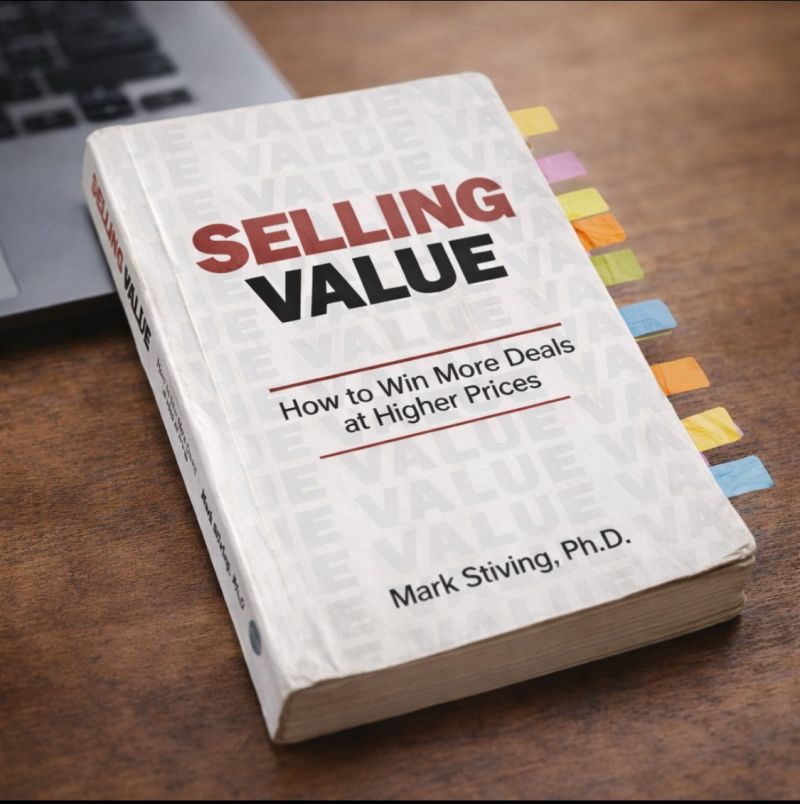
I read Selling Value by Mark Stiving, Ph.D. Stiving a couple of years ago, and it’s a book I keep going back to. One idea that has stayed with me is the concept of value tables.
At a simple level, a value table helps you map three things:
– the problems your buyer is dealing with,
– the outcomes they care about,
and
– the financial impact of those outcomes.
It gives you a way to anchor the conversation in business impact rather than effort.
Why this matters is straightforward.
Most buyers enter a purchase thinking they’re about to spend money. Your role is to help them see it differently.
“They go into a purchase situation, thinking they have to spend money to buy some capabilities. This is an expense… The information in the Value column will help them change their mindset from an expense to an investment. They’re now quantifying the size of the return, not just the size of the check.”
And when you take the time to do this properly, it does more than justify pricing.
“The act of helping your buyer learn the value of their decision demonstrates that you understand their business… Your buyers will come to trust you… They believe you and your solution much more than any competitor.”
That’s the shift most consultants are trying to make, whether they realise it or not.
From being compared on price,
to being understood in terms of impact.
Mark didn’t ask me to write this. I keep coming back to Selling Value because the concepts are practical and hold up in real conversations.
If you haven’t read it, it’s worth your time.
—
Ready to add $100k-$500k revenue to your consulting business in 12 months or less without burning out? Schedule a call and let me show you how.